Sun, Sep 13
+ Add return
2 Travelers

Discover Lao Cai

About Lao Cai, Vietnam

Lao Cai is a province in the northwest region of Vietnam, bordering China's Yunnan province. It serves as a key economic and cultural gateway between Vietnam and China, with a population of approximately 700,000. Lao Cai city, the provincial capital, sits alongside the Red River and is a strategic hub for trade and tourism. The city is an entry point to the popular mountain town of Sapa and the picturesque landscapes of northern Vietnam, making it a compelling destination for travelers interested in cultural exchange and natural beauty.

Main Points of Interest in Lao Cai
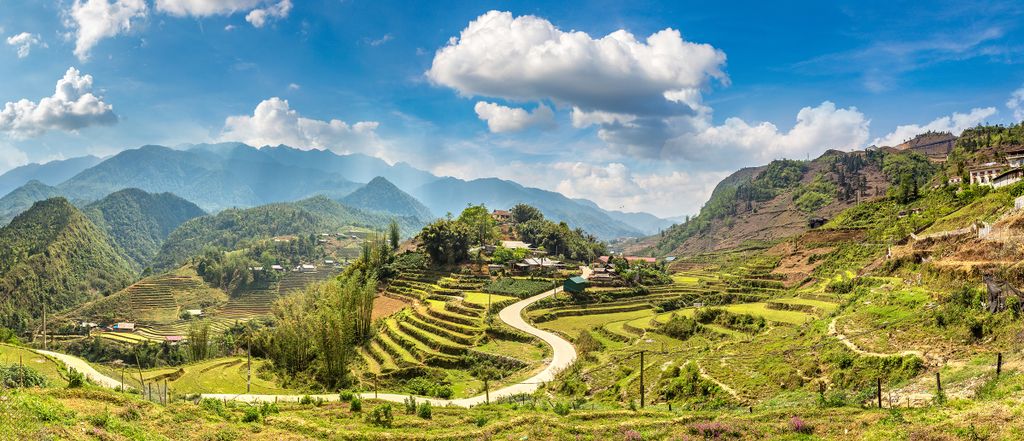
  • Sapa: Renowned for its terraced rice fields and the ethnic diversity of its hill tribes, including the Hmong and Dao people.
  • Fansipan Mountain: Known as "The Roof of Indochina," this is the highest peak in Vietnam and a popular trekking destination.
  • Bac Ha Market: A vibrant weekly market offering a glimpse into the traditional lifestyles and handicrafts of local ethnic groups.
  • Lao Cai Border Gate: A significant historical point where the Red River crosses into China, offering unique cross-border commerce and culture.
Climate and Best Times to Visit Lao Cai

Lao Cai experiences a humid subtropical climate, with distinct wet and dry seasons. The best time to visit is from September to November and March to May, when temperatures range from 15-25°C (59-77°F), offering pleasant weather for outdoor activities. The summer months, from June to August, can be hot and humid, with heavy rainfall, while December to February is cooler, particularly in the highlands.

Budget and Travel Costs in Lao Cai

Lao Cai is generally budget-friendly, making it accessible for a wide range of travelers. Currency is the Vietnamese Dong (VND), with approximate conversions provided.

  • Accommodation:
    • Budget Hotel: $10 - $20 USD (240,000 - 480,000 VND) per night.
    • Mid-range Hotel: $30 - $50 USD (720,000 - 1,200,000 VND) per night.
  • Food & Drink:
    • Local Street Food Meal: $1 - $2 USD (24,000 - 48,000 VND).
    • Restaurant Meal: $5 - $10 USD (120,000 - 240,000 VND).
  • Activities:
    • Sapa Trekking Tour: $30 - $50 USD (720,000 - 1,200,000 VND) per person.
Transportation To and From Lao Cai

Lao Cai acts as a crucial transport link between Vietnam and China, with efficient connections to major cities:

  • Rail: The overnight train from Hanoi to Lao Cai is a popular and scenic route, taking approximately 8 hours.
  • Bus: Regular bus services connect Lao Cai with Hanoi and other northern provinces.
  • Road: National Highway 70 links Lao Cai with Hanoi, while the Noi Bai-Lao Cai Expressway reduces travel time significantly.
  • Border Crossing: Lao Cai International Border Gate facilitates travel to and from China, enhancing its significance as a regional hub.

Top Lao Cai Routes by Transport Type

Bus from Lao Cai

DestinationOperatorsOffersFirst DepartureLast DepartureDurationMin PriceRating
1
53
05:30
22:00
3h0m
$3.09
  4.0
1
313
00:00
23:45
6h0m
$5.35
  3.0
1
2
10:00
21:00
9h0m
$32.62
1
3
06:30
22:30
7h30m
$13.51
1
89
06:30
23:45
4h52m
$5.94
  5.0

Train from Lao Cai

DestinationOperatorsOffersFirst DepartureLast DepartureDurationMin PriceRating
1
56
12:05
21:30
7h6m
$12.74
  3.5
1
10
12:05
21:30
7h23m
$10.23
  3.8
1
11
12:05
21:30
2h30m
$5.21
1
5
12:05
21:30
6h22m
$11.00
1
9
12:05
21:30
5h56m
$10.04
1
3
12:05
21:30
0h53m
$3.09

Van from Lao Cai

DestinationOperatorsOffersFirst DepartureLast DepartureDurationMin PriceRating
1
25
06:00
18:00
0h55m
$6.56
  3.9
1
70
07:25
14:30
6h0m
$13.51
  3.5
1
22
07:25
14:30
6h0m
$16.19
1
3
06:30
18:30
4h35m
$13.51
1
14
07:30
15:45
4h30m
$15.44

Bus to Lao Cai

DestinationOperatorsOffersFirst DepartureLast DepartureDurationMin PriceRating
2
56
05:30
22:00
1h0m
$3.09
  4.3
1
2
08:00
18:30
6h0m
$12.35
  4.0
1
5
11:10
22:00
8h24m
$19.30
  4.3
1
256
00:30
23:59
5h15m
$5.35
  4.0
1
3
12:30
22:30
7h0m
$22.77
  4.0
1
1
06:00
06:00
18h0m
$52.00
1
5
11:10
22:00
8h24m
$19.30
1
1
07:30
07:30
18h0m
$55.00
1
24
00:10
23:55
5h0m
$6.95
  5.0

Train to Lao Cai

DestinationOperatorsOffersFirst DepartureLast DepartureDurationMin PriceRating
1
59
22:00
22:58
7h19m
$17.18
  3.5
1
10
22:23
23:03
7h27m
$17.37
  4.1
1
5
23:37
23:52
6h18m
$14.09
1
5
04:16
05:22
1h3m
$4.44
1
5
00:02
00:42
5h53m
$12.93
  4.0
1
7
02:14
02:42
3h41m
$10.18

Van to Lao Cai

DestinationOperatorsOffersFirst DepartureLast DepartureDurationMin PriceRating
1
70
06:30
23:45
3h45m
$13.51
  5.0
1
19
06:45
15:35
5h30m
$15.44
  4.0
1
12
09:00
19:00
3h20m
$5.02
  2.5
1
3
07:00
18:00
4h35m
$13.51
1
11
06:00
14:30
4h30m
$15.44
1
14
05:30
14:30
10h0m
$25.86

Popular Questions

What is the No 1 tourist spot in Lao Cai?

The top tourist destination in Lao Cai is Sapa, renowned for its terraced rice fields and stunning mountain vistas. Visitors often explore the region for its rich cultural tapestry, including the vibrant markets and traditional villages of ethnic minorities such as the Hmong and Dao. A popular activity is trekking through the Muong Hoa Valley, where travelers can experience the breathtaking landscape and local culture firsthand. Additionally, Fansipan Mountain, the highest peak in Vietnam, attracts adventurers eager to conquer its heights. Cable cars are available for a more accessible ascent, offering panoramic views.

How much money is sufficient for Lao Cai trip?

A trip to Lao Cai can vary in cost depending on your travel style. For budget travelers, expect to spend around 500,000 to 1,000,000 VND per day ($20-$40), covering basic accommodations, street food, and public transportation. Mid-range travelers might spend 1,000,000 to 2,000,000 VND per day ($40-$80), which includes more comfortable lodging, dining at local restaurants, and occasional guided tours.

Accommodation: Budget options such as hostels or guesthouses start at 200,000 VND per night ($8). Mid-range hotels range from 500,000 to 1,000,000 VND ($20-$40).

Dining: Street food and local eateries offer meals for 50,000 to 100,000 VND ($2-$4). Dining at a mid-range restaurant might cost 200,000 to 400,000 VND ($8-$16).

Transportation: Local buses and shared taxis are affordable, usually 20,000 to 50,000 VND ($1-$2) per ride. Private taxis may cost more, depending on the distance.

Activities: Entrance fees for attractions and guided tours can range from 100,000 to 300,000 VND ($4-$12).

What is the most expensive area to live in Lao Cai?

The most expensive area to live in Lao Cai is generally the city center, particularly around the Lao Cai Administrative Center and nearby commercial hubs. This area offers access to modern amenities, shopping centers, and government offices, making it desirable for both locals and expatriates. Rental prices in this region can range from 6,000,000 to 15,000,000 VND per month ($250 to $620), depending on the type and size of the accommodation. Prices for purchasing property can vary significantly based on location and property type, often reaching upwards of 30,000,000 VND per square meter ($1,240).

Which fruit is famous in Lao Cai?

Lao Cai is renowned for its plums, particularly the Tam Hoa variety, which is highly sought after for its sweet and slightly tart flavor. The plums are typically harvested between May and July, making this period an ideal time for travelers to sample them fresh from the region. In addition to enjoying them raw, plums from Lao Cai are often used in local culinary dishes and can be found in markets across the province. They are a popular souvenir for visitors due to their unique taste and local cultural significance.

Is the water clear in Lao Cai?

Tap water in Lao Cai is generally not recommended for drinking without proper filtration or boiling. Travelers are advised to use bottled water for drinking purposes, which is widely available.

As for natural water bodies, Lao Cai is located near the Red River and several smaller streams. While these waters are part of the scenic landscape, they are not typically used for swimming due to varying water quality. For swimming, travelers often visit nearby destinations such as Sapa, where hotel pools provide a safer option. Always check local advisories for the latest information on water safety, especially after heavy rains, which can affect water clarity and cleanliness.