Sat, Sep 12
+ Add return
2 Travelers

Discover Hoi An

About Hoi An, Vietnam

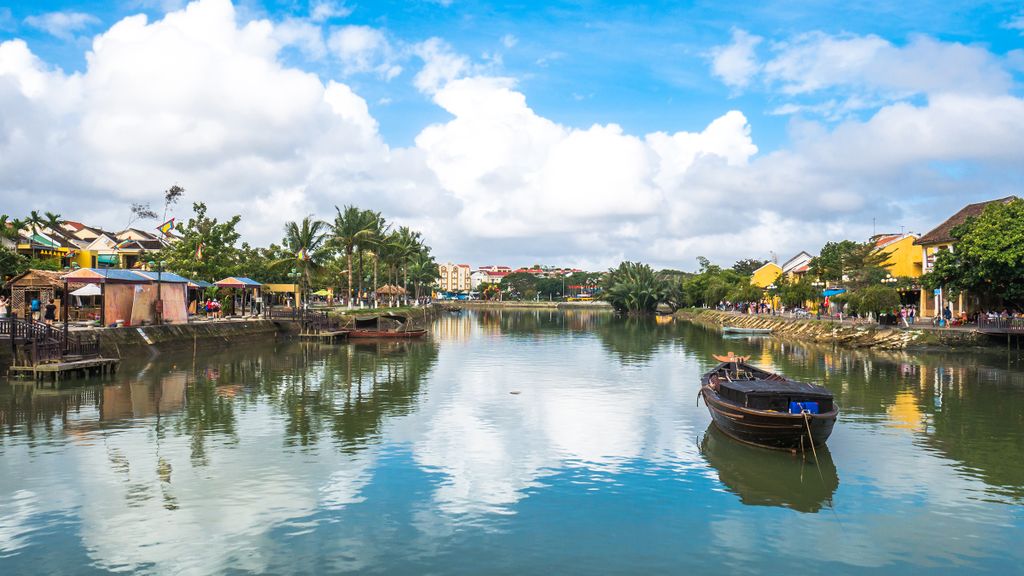
Hoi An is a historic city located in Vietnam's Quang Nam Province, known for its well-preserved Ancient Town, a UNESCO World Heritage Site. The city, with a population of approximately 120,000, sits on the central coast of Vietnam near the Thu Bon River. Historically a major Southeast Asian trading port from the 15th to the 19th century, Hoi An today attracts visitors seeking cultural and architectural insights, along with its renowned culinary offerings.

Main Points of Interest in Hoi An
  • Hoi An Ancient Town: A UNESCO-listed area featuring historic buildings, traditional wooden houses, and a picturesque riverside setting.
  • Japanese Covered Bridge (Chùa Cầu): An iconic symbol of Hoi An, originally built in the 16th century by Japanese merchants.
  • Assembly Hall of the Fujian Chinese Congregation: Known for its elaborate architecture and spiritual significance.
  • An Bang Beach: A popular spot for relaxation, located a short distance from the city center.
  • Tra Que Vegetable Village: Offers insight into traditional farming practices and local culinary culture.
Climate and Best Times to Visit Hoi An

Hoi An experiences a tropical climate with two main seasons: dry and rainy. The best time to travel to Hoi An is from February to April, when the weather is mild and rainfall is minimal. Average temperatures range from 25°C to 30°C (77°F to 86°F). The rainy season, characterized by heavy showers, spans from September to January.

Budget and Travel Costs in Hoi An

Hoi An is generally affordable, offering a range of options to suit different budgets. Prices are approximate and subject to change (approx. 24,000 VND to 1 USD).

  • Accommodation:
    • Hostel Dorm Bed: $8 - $15 USD (192,000 - 360,000 VND) per night.
    • Mid-Range Hotel: $30 - $50 USD (720,000 - 1,200,000 VND) per night.
  • Food & Drink:
    • Local Street Food: $1 - $3 USD (24,000 - 72,000 VND).
    • Restaurant Meal: $5 - $15 USD (120,000 - 360,000 VND).
  • Activities:
    • Bicycle Rental: $1 - $3 USD (24,000 - 72,000 VND) per day.
    • Entrance to Ancient Town: $6 USD (144,000 VND).
Transportation To and From Hoi An

Hoi An does not have an airport or train station, but it is well-connected via nearby transport hubs.

  • Nearest Airport: Da Nang International Airport (DAD), approximately 30 km north, offers domestic and international flights.
  • Train Station: Da Nang Railway Station, serving trains from major cities like Hanoi and Ho Chi Minh City.
  • Bus Routes: Regular bus services connect Hoi An with nearby cities, including Da Nang and Hue.
  • Local Transportation: Bicycles and motorbikes are popular for getting around the city and nearby areas.

Top Hoi An Routes by Transport Type

Bus from Hoi An

DestinationOperatorsOffersFirst DepartureLast DepartureDurationMin PriceRating
1
5
13:00
21:30
1h0m
$2.32
  4.9
1
31
10:30
18:00
17h0m
$20.07
  3.4
1
28
17:15
20:30
13h0m
$13.51
  3.0
2
5
18:00
21:00
10h0m
$25.09
  4.2
1
25
07:00
21:30
3h0m
$5.40
  4.8
1
11
08:00
22:30
5h30m
$16.21
  4.0
1
40
06:30
23:30
7h30m
$7.33
  4.6
1
7
17:00
18:10
17h28m
$21.23
  4.1

Van from Hoi An

DestinationOperatorsOffersFirst DepartureLast DepartureDurationMin PriceRating
1
287
01:03
21:45
1h0m
$4.63
  4.0
1
206
03:30
20:01
4h0m
$9.65
  5.0
1
5
06:45
13:45
4h20m
$13.51

Bus to Hoi An

DestinationOperatorsOffersFirst DepartureLast DepartureDurationMin PriceRating
1
23
07:00
21:35
1h15m
$2.32
  4.7
2
28
09:30
21:00
13h15m
$12.72
  2.6
2
11
14:30
17:30
12h50m
$17.37
  4.3
1
10
06:20
19:00
6h27m
$13.12
  3.6
1
9
18:45
20:15
10h0m
$25.09
  4.2
1
8
15:00
18:00
13h0m
$17.37
  3.9
2
25
18:30
21:45
9h40m
$9.55
  4.1
1
31
05:00
20:00
3h0m
$6.37
  4.1
2
7
17:55
19:00
15h34m
$17.37
  4.5

Van to Hoi An

DestinationOperatorsOffersFirst DepartureLast DepartureDurationMin PriceRating
1
267
05:00
22:30
1h10m
$10.81
  5.0
1
154
06:00
18:00
3h20m
$11.19
  3.0

Popular Questions

Can you shower in Hoi An water?

In Hoi An, it is generally safe to shower with tap water. However, it is advisable to avoid ingesting it, as local authorities recommend using bottled water for drinking due to potential variability in water quality. For brushing teeth, many travelers also prefer bottled water as an extra precaution.

When it comes to swimming, Hoi An is located near several beaches, such as An Bang Beach and Cua Dai Beach. These beaches are popular for swimming and are typically monitored for cleanliness and safety. It's always a good practice to check for any recent advisories or updates on water quality before heading out for a swim.

How clean is Hoi An?

Hoi An is generally considered clean, particularly in the well-maintained Old Town, a UNESCO World Heritage site. Street cleaning is regular, and littering is discouraged. However, during peak tourist seasons, you might notice some congestion and minor littering.

Tap Water: It is not advisable to drink tap water in Hoi An. Bottled water is recommended and widely available.

Swimming Areas: The nearby beaches like An Bang and Cua Dai are monitored for cleanliness. Water quality is generally good, suitable for swimming, with periodic checks to ensure safety.

Do taxis in Hoi An charge for luggage?

In Hoi An, taxis generally do not charge extra for luggage as long as it fits within the vehicle's trunk or designated storage area. However, for larger or excessive amounts of luggage, there may be an additional fee. It's advisable to confirm with the driver before starting your trip. Taxi fares in Hoi An typically start around 15,000 VND ($0.60) for the first kilometer, with additional kilometers costing about 13,000 VND ($0.50) each. Always check if the meter is running to avoid overcharging.

Are tourists welcome in Hoi An?

Yes, tourists are welcome in Hoi An. The city is known for its hospitality and has a well-established tourism infrastructure. Visitors can explore the Ancient Town, a UNESCO World Heritage Site, famous for its preserved architecture and vibrant markets.

Local Customs and Etiquette
Respect local customs by dressing modestly, especially when visiting temples. Bargaining is common in markets, but done respectfully.

Transportation
Hoi An is best explored on foot or by bicycle. Motorbike rentals are also available, with prices around 150,000 VND per day ($6 USD).

Dining
Hoi An offers a variety of dining options, from street food to upscale restaurants. Typical meals range from 30,000 to 150,000 VND ($1.25 to $6 USD).

Water Cleanliness
Tap water is not safe to drink; bottled water is recommended. The nearby beaches, such as An Bang, are generally clean and suitable for swimming.

Tourists should also be aware of local festivals and events, which can enhance their experience. Overall, Hoi An is a welcoming destination for travelers.

How is Hoi An City to live?

Hoi An offers a relaxed lifestyle with a blend of cultural heritage and modern amenities. The city is known for its well-preserved Ancient Town, which is a UNESCO World Heritage site, featuring historic architecture and vibrant markets. Living costs are relatively affordable, with monthly expenses for a single person ranging from 10,000,000 to 20,000,000 VND ($420 to $840), depending on lifestyle choices.

Transportation is convenient, with bicycles and motorbikes being popular for getting around. Public transport is limited, but taxis and ride-sharing services are available. Dining options are varied, from street food to international restaurants, often at reasonable prices.

For water, it's advisable to drink bottled or filtered water, as tap water may not be safe for consumption. The beaches near Hoi An, such as An Bang, have good water quality for swimming, with regular monitoring by local authorities.

The city offers a peaceful environment with opportunities for cultural immersion, making it attractive for expatriates and retirees looking for a slower pace of life.