Lisbon
Fundao
Thu, Sep 10
+ Add return
2 Travelers

Discover Albay

About Albay, Philippines

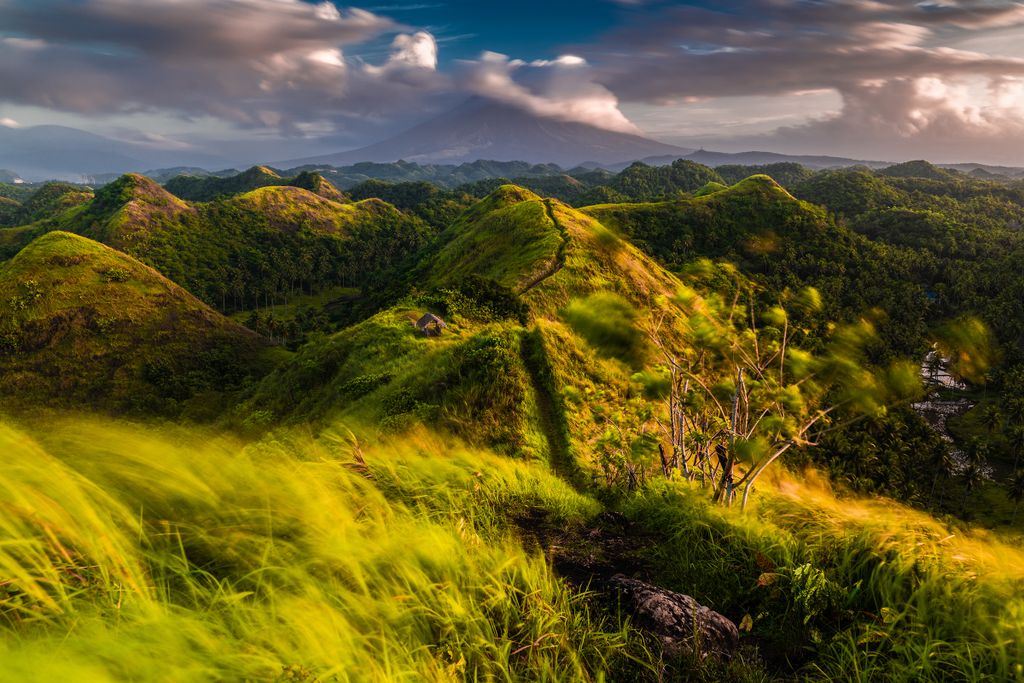
Albay is a province located in the Bicol Region of the Philippines, situated on the southeastern part of Luzon Island. It is known for its striking landscape dominated by the majestic Mayon Volcano, famous for its near-perfect cone shape. With a population of over 1.3 million, Albay is a significant cultural and economic center in the region. As a travel destination, Albay offers a diverse array of natural and historical attractions, making it an appealing choice for visitors seeking both adventure and cultural experiences.

Main Points of Interest in Albay
  • Mayon Volcano: A renowned natural landmark, offering hiking and photography opportunities.
  • Cagsawa Ruins: Historical site with remnants of the 18th-century Cagsawa Church, destroyed during the 1814 eruption of Mayon.
  • Ligñon Hill Nature Park: Provides panoramic views of Mayon Volcano and the surrounding landscape.
  • Daraga Church (Nuestra Señora de la Porteria): A National Cultural Treasure, known for its Baroque architecture.
  • Vera Falls: A secluded waterfall located in the town of Malinao, ideal for picnicking and relaxation.
Climate and Best Times to Visit Albay

Albay experiences a tropical rainforest climate, characterized by high humidity and significant rainfall throughout the year. The best time to visit is during the dry season from November to March, when the weather is relatively cooler and drier. Average temperatures typically range from 24°C to 32°C (75°F to 90°F). The wettest months are usually from June to October, coinciding with the typhoon season.

Budget and Travel Costs in Albay

Albay is generally budget-friendly, offering a range of accommodation and dining options.

  • Accommodation:
    • Budget Hotel: PHP 800 - 1,500 ($14 - $27 USD) per night.
    • Mid-Range Hotel: PHP 2,000 - 3,500 ($36 - $63 USD) per night.
  • Food & Drink:
    • Local Eatery Meal: PHP 50 - 150 ($0.90 - $2.70 USD).
    • Dining in a Restaurant: PHP 300 - 600 ($5.40 - $11 USD).
  • Activities:
    • Entrance Fees to Attractions: PHP 50 - 100 ($0.90 - $1.80 USD).
    • Guided Tours: PHP 1,000 - 2,500 ($18 - $45 USD).
Transportation To and From Albay

Albay is accessible via several transport options, serving as a gateway to the Bicol Region.

  • Air Travel: Legazpi Airport is the main airport, with flights from Manila and Cebu.
  • Land Travel: Albay is connected by major highways, with bus services from Manila taking approximately 10-12 hours.
  • Sea Travel: Ferries from nearby provinces can be taken to ports in Albay, such as Tabaco Port, which serves as a hub for travel to the islands of Catanduanes and Masbate.

Top Albay Routes by Transport Type

Bus from Albay

DestinationOperatorsOffersFirst DepartureLast DepartureDurationMin PriceRating
2
74
09:15
20:00
12h0m
$15.35
  4.0
2
2
17:00
17:00
8h49m
$20.97

Ferry from Albay

DestinationOperatorsOffersFirst DepartureLast DepartureDurationMin PriceRating
2
31
06:00
13:00
3h0m
$5.10
1
14
01:00
13:00
10h0m
$4.46

Bus to Albay

DestinationOperatorsOffersFirst DepartureLast DepartureDurationMin PriceRating
3
143
06:00
22:00
12h22m
$15.10
  4.3
2
8
17:30
21:30
8h49m
$15.10
  5.0

Ferry to Albay

DestinationOperatorsOffersFirst DepartureLast DepartureDurationMin PriceRating
2
31
06:00
19:00
3h0m
$5.10
1
14
00:00
13:00
10h0m
$4.46
  5.0

Popular Questions

How much does it cost to rent a car in Albay?

Renting a car in Albay typically costs between PHP 2,000 to PHP 3,500 per day ($35 to $60), depending on the type of vehicle and rental company. Prices may vary based on the season, availability, and any additional services such as insurance or GPS rental. It's advisable to book in advance, especially during peak travel periods, to secure the best rates and ensure vehicle availability.

How long does rush hour last in Albay?

In Albay, rush hour typically occurs during the morning from 7:00 AM to 9:00 AM and in the evening from 5:00 PM to 7:00 PM. Traffic congestion is most pronounced in and around Legazpi City, the provincial capital, and along major roads leading to commercial areas and schools. It's advisable to plan travel outside these peak times to avoid delays. Public transportation, like jeepneys and tricycles, can also be crowded during these periods. For a more comfortable journey, consider alternative routes or modes of transport, such as walking or biking for short distances.

How can I be safe in Albay?

Safety in Albay involves being aware of natural hazards and taking general precautions. Albay is prone to volcanic activity due to the presence of Mayon Volcano. Stay informed about the current volcanic activity by checking updates from the Philippine Institute of Volcanology and Seismology (PHIVOLCS). If you plan to visit Mayon Volcano, always follow local guidance and respect restricted zones.

General Safety Tips
Be cautious of petty crime, especially in crowded areas. Keep your belongings secure and avoid displaying valuables. Use reputable transportation services and consider hiring a local guide if exploring remote areas.

Natural Disasters
Albay is susceptible to typhoons. Monitor weather forecasts during typhoon season (June to November) and have a contingency plan. Follow evacuation orders promptly if issued.

Health and Water Safety
Tap water in Albay is generally not safe to drink. Use bottled water for drinking and brushing teeth. For swimming, popular beaches are typically safe, but check local advisories for any water quality issues. Always swim in designated areas where lifeguards are present.

What is the most eaten food in Albay?

In Albay, a province known for its Bicolano cuisine, the most popular dish is "Bicol Express." This spicy dish typically consists of pork cooked in coconut milk with chili peppers and shrimp paste. Another frequently consumed dish is "Laing," which features dried taro leaves simmered in coconut milk, chili, and sometimes meat or shrimp. Both dishes highlight the region's penchant for using coconut milk and chili, reflecting the local culinary traditions. When visiting Albay, you can enjoy these dishes in local eateries or restaurants, often priced around 150-250 PHP ($3-5) per serving.

Can you drink tap water Albay?

Tap water in Albay is generally not considered safe for drinking. It is advisable to use bottled or filtered water for drinking and food preparation to avoid potential health issues. Bottled water is widely available in local stores and supermarkets.

Regarding swimming, Albay is known for its beaches, particularly in areas like Legazpi City and around the Mayon Volcano. The water quality at popular beaches is typically monitored and safe for swimming, but it is always a good idea to check local advisories, especially after heavy rains.